Commencing operations in May of 1994, the Las Virgenes Municipal Water District's (LVMWD) Rancho Las Virgenes compost facility is distinguished by its efforts to move towards the recycling of most all discharge streams. The 15-acre facility is located in Calabasas, California, just 400 feet from the nearest residence. This facility utilizes two 50 hp agitators to service eight bays and is designed to compost 30 wet tons per day of biosolids using wood pallets as amendment.
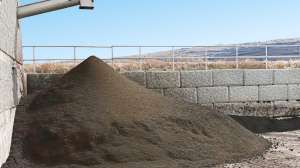
Wet biosolids cake and ground wood pallets are separately conveyed into bulk mixing hoppers, where they are mixed together before being conveyed to the compost building. Composting takes place in two stages: 30 days in the BDP bays and one month in an aerated curing area to produce a Class A compost product. The finished compost product is sold to local residents and landscapers. Demand for the compost is so high that the LVMWD has to limit distribution, especially during the spring, which requires careful management so as not to deplete their ability to recycle compost back into the in-vessel compost system.
The wastewater treatment portion of the process utilizes an anaerobic digester that generates both digestate and biogas. The biogas produced is utilized to fuel a boiler to provide heat for the anaerobic digester water loop, ensuring the digester maintains optimal temperature conditions for efficient operation. The centrate from the dewatering process is piped into storage tanks to reduce the ammonia concentrations before it is sent to the wastewater facility for further treatment. It is then released for nonpotable use by residents (garden irrigation, e.g.) and local agencies (firefighting, e.g.).
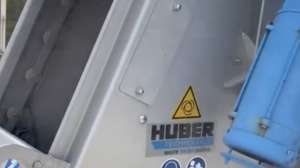
While grit and screenings are ultimately sent to landfill, they are first dewatered in a compact screener to decrease haul weight and odors. The slurry squeezed from screenings is repurposed as a microbe superfood and reintroduced into the plant’s process, further supporting the facility's goal of enhancing resource recovery.