In the realm of water infrastructure, there's an often-overlooked component that plays a crucial role in maintaining the efficiency, safety and longevity of pipeline systems: air valves. These unassuming devices are engineering marvels that address a multitude of challenges in water distribution networks. Despite their importance, air valve failures are a common issue, leading to significant problems such as water contamination, reduced flow capacity, and even catastrophic pipeline failures. This article delves into the reasons behind air valve failures, the consequences of these failures, and the solutions available to mitigate these risks.
The invisible threat: Air in pipelines
To understand the importance of air valves, we must first recognize the problems posed by air in pipelines. Air, an invisible and compressible fluid, can wreak havoc in water distribution systems in numerous ways. It can create air pockets that impede water flow, reduce pipeline capacity, and even cause complete blockages known as airlocks. Moreover, air can accelerate corrosion, promote the growth of organic material, and exacerbate water hammer effects.
“You can only move water as fast as you can get air out of the pipeline. Consider that a 40-inch-diameter pipe that is 1 mile long and filled with water weighs 1,392 tons. Add gravity to that and you are dealing with 13,657 tons of force moving through that pipeline,” says Dave Dolman, chief designer of the Cla-Val 39 Series. “Air pockets are basically pressurized springs waiting to react to a sudden change in pressure, and air can move through a pipeline up to seven times faster than water. As a result, they will expand and contract faster than water can react, and this causes sudden changes in velocity.”
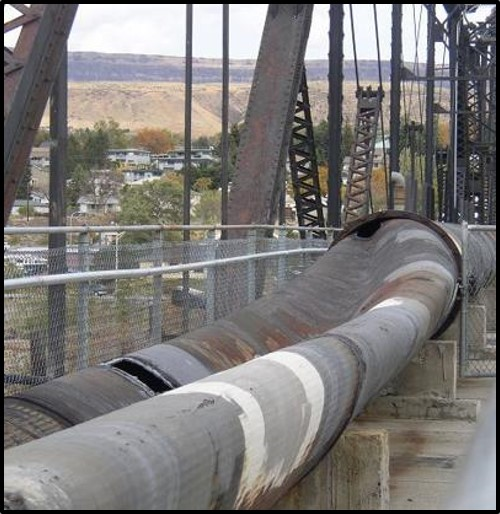
Sudden changes in velocity can lead to catastrophic pipeline failures. Furthermore, when a pipeline is drained or experiences negative pressure, it can collapse under atmospheric pressure if air is not allowed to enter. This phenomenon has resulted in dramatic incidents, as Dolman has experienced worldwide.
“In California, we saw a 42-inch steel pipeline that carried water from a lake to the city’s water treatment plant flattened like a pancake after contractors created a vacuum while draining the pipe. In terms of air valve failure, a town in Utah had a 110-foot section of a large steel pipe cave in when a frozen air vent caused a vacuum pressure while crews were draining the pipe for maintenance. These situations put workers at risk, and sometimes with devastating consequences as we saw with a project in the Middle East, where water hammer was so bad that it shattered a Class 250 cast iron valve, killing an operator,” Dolman recalls.
Several factors contribute to air valve failures, including poor design, inadequate maintenance, and improper installation. For instance, many air valves are not designed to handle low-pressure conditions, leading to leakage and failure. Additionally, the accumulation of grease and fats, as well as suspended and dissolved solids, can clog air valves and render them ineffective.
While specific statistics on air valve failure rates are not readily available, it is estimated that air valves can fail at a rate of up to 20% per year, depending on the design and maintenance of the valves.
Multifaceted solution: Advanced air valves
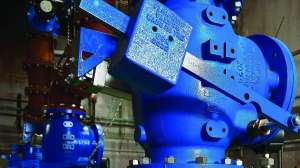
To prevent air valve failures, it is essential to select high-quality air valves that are designed to handle the specific conditions of the water or wastewater system, such as the Cla-Val 39 Series. These valves perform three critical functions: air release, air/vacuum intake, and surge protection, in one valve. By allowing air to escape during pipeline filling, permitting air entry during draining, and controlling air release rates to mitigate pressure surges, these valves maintain the integrity and efficiency of water distribution systems.
“The Cla-Val 39A, the flagship model of the series, showcases the cutting-edge features that set these valves apart. With a sealing pressure as low as 4.3 psi static and 7.25 psi dynamic, it ensures optimal performance even in low-pressure applications. Its versatility is evident in its pressure rating of up to 1,450 psi and size range from 1 inch to 20 inches, making it suitable for a wide array of installations,” Dolman says.
Advanced-engineered air valves incorporate features that address common pain points in air valve design and maintenance:
1. Gasket-free design: Utilize standard O-rings instead of custom gaskets, simplifying maintenance and reducing the need for specialized spare parts.
2. Durable construction: Recognizing that air valves often serve as access points to chambers, opt for metal top caps instead of plastic, eliminating the risk of broken plastic components and ensuring longevity even under harsh conditions.
3. Foolproof assembly: Ask for a universal anti-slam float to eliminate the risk of incorrect installation. Anti-slam mechanisms prevent rapid closure during high-pressure events, reducing the risk of water hammer.
4. Material versatility: Tailor materials to specific environmental needs such as stainless steel, duplex and super duplex alloys. This ensures long-term reliability even in corrosive or high-pressure applications.
5. Adaptable configurations: Versatility allows utilities to standardize their air valve solutions across different parts of their network. Choose a line of air valves that has various outlet options and specialized models for different applications from potable water to sewage and even high-rise building systems. There is no one-model-fits-all solution when it comes to air valves.
According to a study by the Water Research Foundation, air valve failures account for approximately 15% of all valve-related issues in water distribution systems. Spending a little bit more on advanced engineering and taking the time to ensure you have the right options for your specific application will go a long way in protecting your assets and personnel for years to come.

Beyond damage prevention
While preventing catastrophic failures is crucial, the benefits of advanced air valves extend far beyond damage control. By efficiently managing air within pipelines, these valves contribute to:
1. Improved system efficiency: By preventing air accumulation, they ensure pipelines operate at full capacity, reducing pumping costs and energy consumption. Studies have shown that entrapped air can decrease system efficiency by up to 30%.
2. Enhanced water quality: By minimizing areas where air can accumulate, they reduce the potential for bacterial growth and water contamination. A study by the Water Research Foundation found that 15% of water quality complaints were related to air valve issues.
3. Extended infrastructure lifespan: Air valves help prolong the life of expensive pipeline assets through pressure management and surge reduction.
4. Operational flexibility: Features like controlled air release allow for fine-tuned system management, particularly useful in pump stations and areas with pre-existing surge conditions. A study conducted by the Water Research Foundation found that proper air valve placement and selection can reduce pumping energy costs by up to 10%.
Advanced air valves represent a leap forward in water infrastructure technology. They embody the principle that sometimes, the most crucial components of a system are those that operate quietly in the background. By effectively managing the air within our pipelines, these valves not only prevent disasters, but also contribute to the overall efficiency, safety and sustainability of our water distribution networks.
As we continue to invest and upgrade our water infrastructure, it's imperative to recognize the critical role of these unsung heroes. “As we look to build more resilient and sustainable water systems, advanced air valves undoubtedly play a pivotal role,” Dolman says.
Proper selection, installation and maintenance of air valves should be a priority for any water management project. In doing so, we not only protect our investments but also ensure the reliable delivery of one of our most precious resources — water — to communities around the world.
About the author
Mark Gimson is the director of marketing and international sales at Cla-Val, with over 40 years of experience in the mechanical and industrial engineering sector. He specializes in driving growth with a passion for expanding markets.