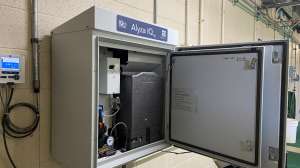
Gas detection equipment for the water and wastewater treatment industry is designed to monitor hazardous gases commonly found in these environments. These systems often feature multiple gas sensors, customizable alarms and rugged construction to withstand harsh conditions. With options for both portable and stationary use, they offer real-time monitoring of gases such as carbon monoxide, hydrogen sulfide and oxygen. Advanced models include touchscreens, data logging and connectivity features to enhance ease of use and safety.
EAGLE MICROSYSTEMS GD-4000
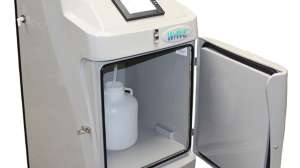
The Eagle Microsystems GD-4000 multiple channel gas detector is designed to monitor hazardous gases commonly found in water and wastewater treatment environments. It is capable of supporting up to four precalibrated gas sensors with an isolated 4-20 mA signal for each sensor. A multicolor touchscreen allows for simple recalibration of sensors, as well as operation of the instrument. Up to 10 programmable relays are available for a fully configurable operation. Available with options and accessories like battery backups and ethernet connectivity, it is designed for versatility. It is built to withstand harsh conditions with rugged construction and excellent durability. 610-323-2250; www.eaglemicrosystems.com
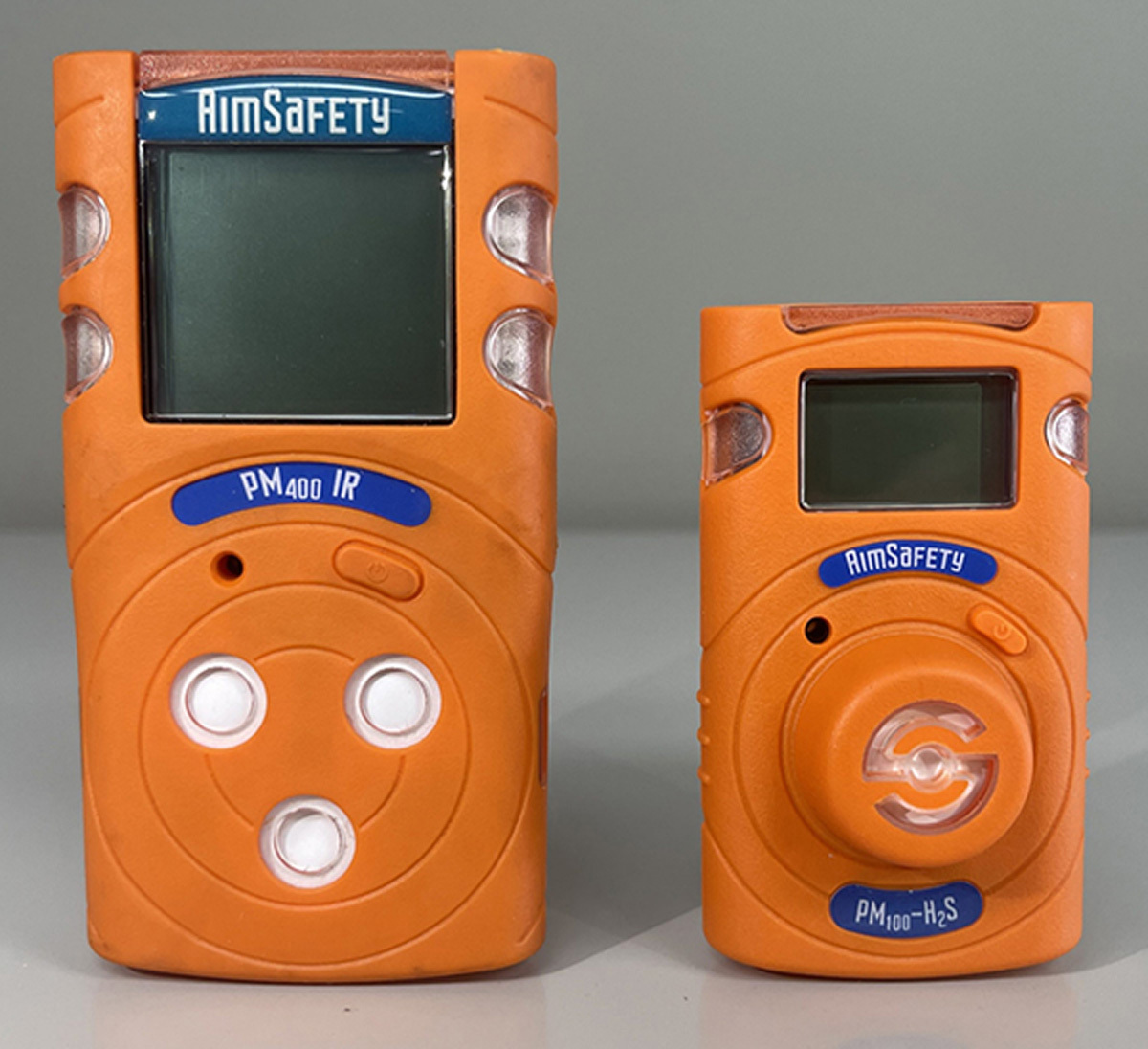
PJ OPERATION AIMSAFETY PM100 AND PM400
AimSafety from PJ Operating offers two lines of portable gas monitors. The PM100 series includes disposable, single-gas monitors and the PM400 series includes rechargeable multi-gas monitors. Both lines have bump/calibration test stations available. The PM100 has sensors for carbon monoxide, hydrogen sulfide, oxygen, ammonia and sulfur dioxide. This series is capable of logging events and operates for two years. The monitor gives a 30-day end of life warning. With an IP67 rating, it is dust-tight and water-resistant. There is a three-tier alarm system (audible, visual and vibrations) if unsafe gas levels are detected. The PM400 series detects carbon monoxide, hydrogen sulfide, oxygen and combustible gases. The LEL sensor can either be infrared (immune to poisoning) or a catalytic bead. All sensors can have alarm set points and log events and data. The IR version charge lasts for 60 days while the Catalytic Bead is 24 hours. This series is also rated IP67. 330-262-5547; www.pjoperating.com
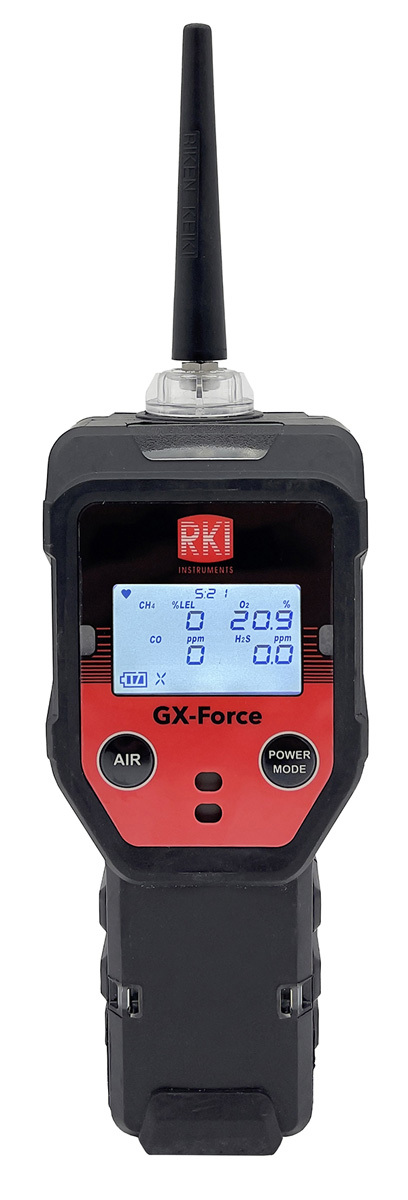
RKI INSTRUMENTS GX-FORCE
The GX-Force is RKI Instruments’ smallest personal 1-4 gas monitor with a strong internal sample pump capable of a 100-foot sampling range. Weighing only 9.8 ounces, the it can monitor the standard confined space gases (LEL combustibles, oxygen, carbon monoxide and hydrogen sulfide). It is built around high-quality micro-sensor technology, which are compatible with the GX-3R, GX-3R Pro, 04 Series, and Gaswatch 3 instruments. Having two operating modes, it can be used for confined space safety monitoring in its normal operating mode. A leak check mode is the solution for all leak investigations. It operates 30 hours on a Li-ion battery, and has a large LCD display showing all gas readings, battery level, current time and automatically backlights in alarm conditions. Standard alarm types include vibration, visual and audible alarms, which can be set to latching or nonlatching. 800-754-5165; www.rkiinstruments.com