Gas detection systems are designed to monitor and detect a range of dangerous gases, providing early warnings to prevent accidents and exposure. By employing advanced sensors and alarm mechanisms, gas detection equipment helps operators manage risks associated with toxic gases like chlorine, sulfur dioxide and hydrogen sulfide. Strategic placement of sensors and integration with monitoring systems allow for continuous supervision and quick response to potential threats, ensuring a safe working environment and efficient operation of treatment facilities.
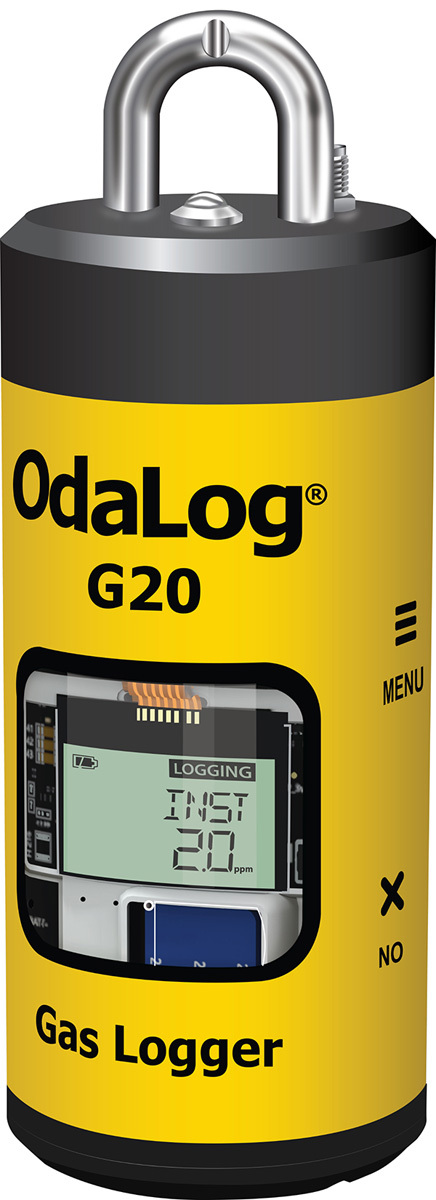
CAS DataLoggers OdaLog G20 H2S Gas Detection Logger
The OdaLog G20 H2S Gas Detection Logger from CAS DataLoggers enables predictive maintenance and a long in-field deployment of up to 90 days. These increase the uptime of the logger, reducing maintenance costs. The gas logger is IP68-rated for use in harsh wastewater applications and ATEX IECEx certified for hazardous environments. Bluetooth, USB and Modbus are standard — making data easy to access, manually or via an integrated system. Typical areas of use are monitoring the gas level in treatment plants, sewers, collection lines, pumping stations for odor control, hydrogen sulfide remediation and troubleshooting problems such as corrosion. 800-956-4437; www.dataloggerinc.com

Eagle Microsystems GD-4000 Premier Series
The GD-4000 Premier Series hazardous gas detector from Eagle Microsystems safeguards against a spectrum of gases such as chlorine, sulfur dioxide, ammonia and methane. Engineered with an electro-chemical sensor and touch screen color alarm indicator unit, it ensures reliable monitoring across various concentration levels. Designed for user convenience, the sensors can be strategically placed in potentially hazardous zones while the main monitor resides in a safe area, shielding operators from direct exposure to gas leaks. The system employs an audible alarm and a flashing display to promptly alert operators, ensuring quick response to potential threats. Furthermore, the alarm indicating unit seamlessly interfaces with up to four sensors, accommodating monitoring for the same or different gases. 610-323-2250; www.eaglemicrosystems.com