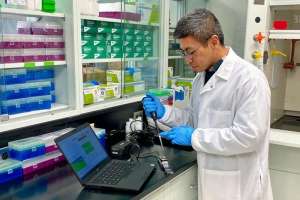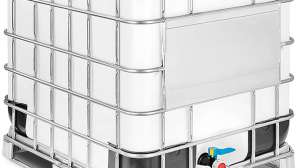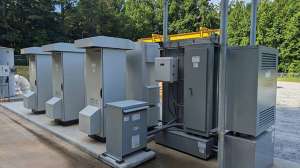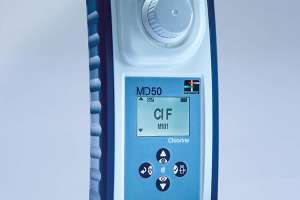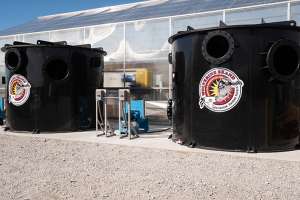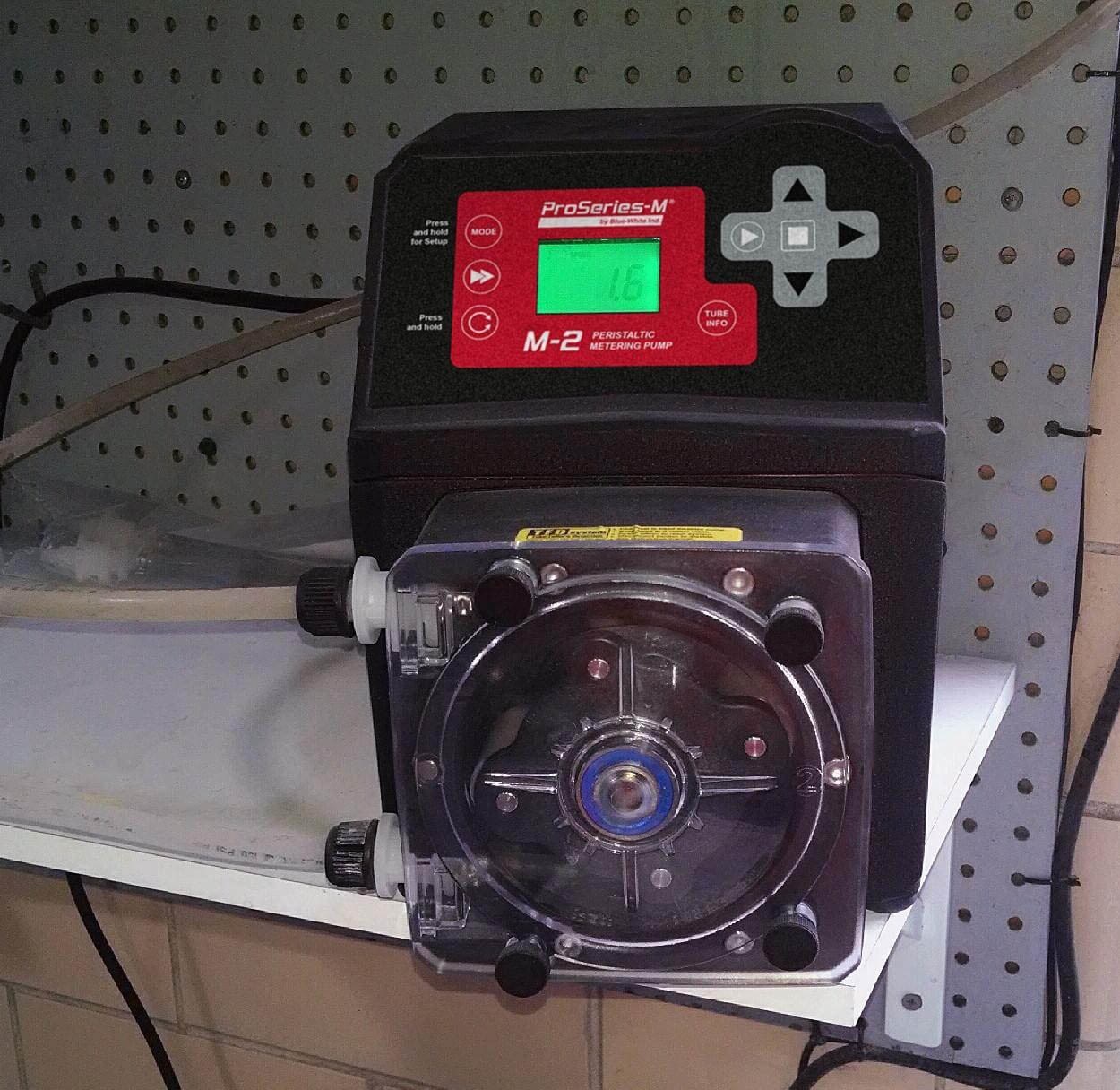
This treatment plant’s four reservoirs can store a billion gallons of water. To meet or exceed the exacting requirements set by the EPA, the treatment process uses a variety of chemicals, including: potassium permanganate to treat for organics and algae, ferric chloride to coagulate and settle particles, lime to soften and treat for organics, sodium hydroxide to soften and lower the noncarbonated hardness, powder activates carbon to control taste and odors, liquid CO2 to lower the pH, phosphate for corrosion control for the distribution system, chlorine for disinfection, and fluoride for dental protection (as mandated by the state).