The synthetic chemicals known as PFAS, short for perfluoroalkyl and polyfluoroalkyl substances, are found in soil and groundwater where they have accumulated, posing risks to human health ranging from respiratory problems to cancer.
New research from the University of Houston and Oregon State University published in Environmental Science and Technology Letters suggests why these “forever chemicals” — so called because they can persist in the environment for decades — are so difficult to permanently remove and offers new avenues for better remediation practices.
The work focused on the interactions sparked when firefighters use firefighting foam, which contains PFAS, to combat fires involving jet fuel, diesel or other hydrocarbon-based fuels. Firefighter training sites are well documented sources of PFAS pollution.
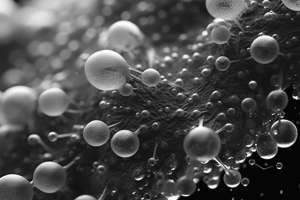
Konstantinos Kostarelos, a researcher with UH Energy and corresponding author for the work, says the interactions form a viscous water-in-oil microemulsion, which chemical analysis determined retains a high level of the PFAS.
Unlike many emulsions of oil and liquid, which separate into their component parts over time, these microemulsions — comprised of liquids from the firefighting foam and the hydrocarbon-based fuel — retain their composition, Kostarelos says. “It behaves like a separate phase: the water phase, oil phase and the microemulsion phase. And the microemulsion phase encapsulates these PFAS.”
Experimental trials that simulate the subsurface determined about 80% of PFAS were retained in the microemulsions when they flow through the soil, he says. “If they passed through easily, they wouldn’t have been so persistent over the course of decades.”
Produced during the post-World War II chemical boom, PFAS are found in consumer products ranging from anti-stain treatments to Teflon and microwave popcorn bags, in addition to firefighting foam. They were prized because they resist heat, oil and water — traditional methods of removing or breaking down chemicals — as a result of the strong bond between the carbon and fluorine atoms that make up PFAS molecules.
They have been the target of lawsuits and regulatory actions, and new chemical formulations have shortened their half-life.
In the meantime, the toxic legacy of the older formulations continues to resist permanent remediation. Kostarelos says the new understanding of microemulsion formation will help investigators better identify the source of the contamination, as well as stimulate new methods for clean-up efforts.
“It’s very viscous,” he says. “That’s very useful information for designing a way to recover the microemulsion.”
The project was funded by the Strategic Environmental Research and Development Program of the U.S. Department of Defense. In addition to Kostarelos, co-authors on the publication include Pushpesh Sharma of UH; and Emerson Christie, Thomas Wanzek and Jennifer Field, all of Oregon State University.