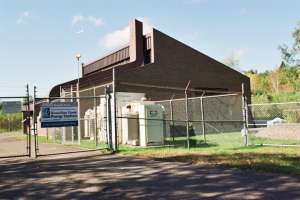
The ongoing war in Iran and resulting shipping bottlenecks in the Middle East have triggered a national shortage of fluoride, forcing several U.S. municipalities to scale back their use of the chemical. Water systems serving the Baltimore and suburban D.C. areas recently reduced their concentration levels, while a Pennsylvania town temporarily halted fluoridation entirely.
Trade groups and chemical distributors attribute the scarcity to unpredictable ocean freight surcharges and the market withdrawal of Israel, the world's second-largest exporter of fluorosilicic acid. While the Environmental Protection Agency states it is actively helping water utilities navigate these disruptions, the shortage arrives amid growing political pushback against municipal fluoridation.
Municipal Emergency Declarations Spread Around Corpus Christi
As Corpus Christi edges closer to an unprecedented water shortage, the crisis is spreading, as at least six dependent municipalities in the surrounding Coastal Bend region have issued emergency declarations.
Because 20 neighboring communities rely entirely on the larger city's rapidly depleting reservoirs, local leaders are raising the alarm, expressing fears that they are being abandoned by county and state authorities as they scramble to secure viable backup water sources.
Meanwhile, experts and local officials warn that the sheer severity of the drought in Corpus Christi is still being underestimated by the public.
Amazon Teams Up With Veolia on Recycled Water to Cool Data Centers
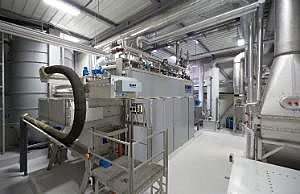
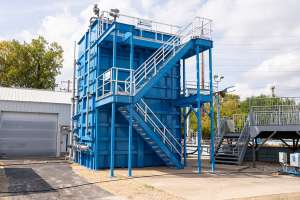
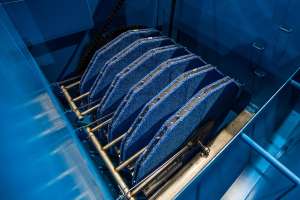
Amazon is teaming up with Veolia to implement advanced water-reuse technology at its Mississippi data centers, aiming to significantly cut down on the facilities' water consumption. Starting in 2027, Veolia will install modular, autonomous systems that convert local wastewater into high-grade cooling water.
The scalable approach is part of Veolia’s new Data Center Resource 360 initiative and is projected to save over 83 million gallons of potable water annually. It could eventually be deployed across Amazon’s global operations. In a mutually beneficial exchange, Amazon Web Services will assist Veolia in creating AI-driven tools to optimize its global water treatment processes, focusing on predictive maintenance and real-time operational efficiency.