With rising costs and tighter regulations, land applying biosolids is no longer the simple solution it once was.
Why land application is becoming a headache
- PFAS and “forever chemicals” have triggered bans and strict oversight in several states.
- Regulations now demand more testing for heavy metals, pathogens and emerging contaminants.
- Seasonal restrictions require more storage, and farmland near growing cities is harder to find.
- Public pushbacks are growing due to odors, zoning resistance, and liability concerns.
- Hauling is expensive. Liquid biosolids are mostly water and costly to transport, especially with fuel and labor costs rising.
A smarter solution: Mechanical dewatering
Mechanical dewatering offers a more controlled, consistent and sustainable approach. By increasing solids content from 1-8% to 15-30%, it dramatically reduces volume — cutting hauling and tipping fees by up to 90%. With average U.S. tipping fees in 2023 nearing $57 per ton — and over $83 per ton in the Northeast — volume reduction isn’t just smart, it’s essential.
Why utilities choose the rotary fan press
At the forefront of this shift is the Rotary Fan Press by Prime Solution, a manufacturer located in Michigan with over 200 successful installations worldwide. It fits the needs of smaller and larger facilities and aligns with the Buy America movement to promote U.S. jobs and domestic manufacturing.
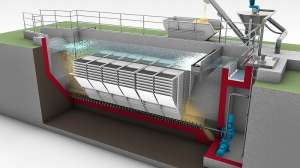
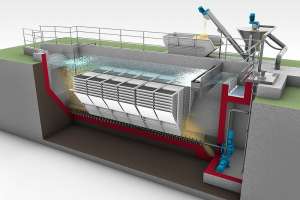
Prime’s Rotary Fan Press is a slowly rotating, enclosed design that offers:
- Low energy use
- Minimal operator involvement, minimal maintenance
- Small footprint with high throughput
- Clean, quiet enclosed operation with reduced odors
“One of the main reasons we looked for a permanent sludge handling solution was the inconvenience and prohibitive cost of renting portable presses to come on site and manage our sludge. We were at the mercy of the rental companies fitting us into their schedule every two to three weeks — when we could get them to show up. This, coupled with the hauling cost of over $250,000 per year, led us to find a permanent solution that would make our job easier and be more cost-effective. The Prime Rotary Fan Press saved us money,” says Tony Scarborough, senior wastewater operator for MUD District 165 and H2O Consulting.
While the initial investment in mechanical dewatering can be higher, facilities often report quick payback periods, improved compliance, and stronger public perception. Now is a good time to rethink your approach and invest in a solution that delivers long-term efficiency, compliance, and peace of mind.