There are many isolation valves available for a municipal water system, and selecting the right one impacts the efficiency, reliability and maintenance of the water supply network. An isolation valve is typically either in the fully open position or the fully closed position. Gate valves and butterfly valves are most commonly used for this use, and check valves are also a good consideration.
Occasionally, an eccentric plug valve is selected, but they are primarily used for raw or wastewater applications, as the shape allows them to always close or open even if there is small matter passing through the pipeline. Ball valves are an inexpensive consideration for small pipes, but tend to not last as long. A water system manager or operator has many things to consider when selecting an isolation valve for their system. Here are some questions that can help determine the right isolation valve for the right situation.
What is in your fluid?
One of the most important considerations is the fluid that is going through the valve. Is it raw water that may have debris or treated water that may have chemicals? Does the water system treat with free chlorine, ozone or chloramines for disinfection? Buna-N and EPDM elastomers are the most widely used in the industry, and some believe that EPDM holds up better with chloramine use. What is the temperature and pressure, as the valve must be able to withstand the system's operating conditions?
What is the pipe diameter?
The size of the line that the isolation valve will be in is another important consideration to maintain pressure integrity and prevent leaks. Gate valves are most often used on lines up to 12 inches in diameter and are available with flanged connections and mechanical joint connections, along with several different connection combinations. Gate valves are full port multi-turn resilient wedge valves that have either a handwheel operator or, on buried service, a gear operator and 2-inch operating nut.
Gate valves are often used as isolation valves on the inlet of a flowmeter as they are full port valves with no obstruction in the line and do not count against the meter's upstream/downstream requirements for accuracy. Another advantage of a gate valve is that in most cases by exercising the valve, you will ensure a complete shutoff.
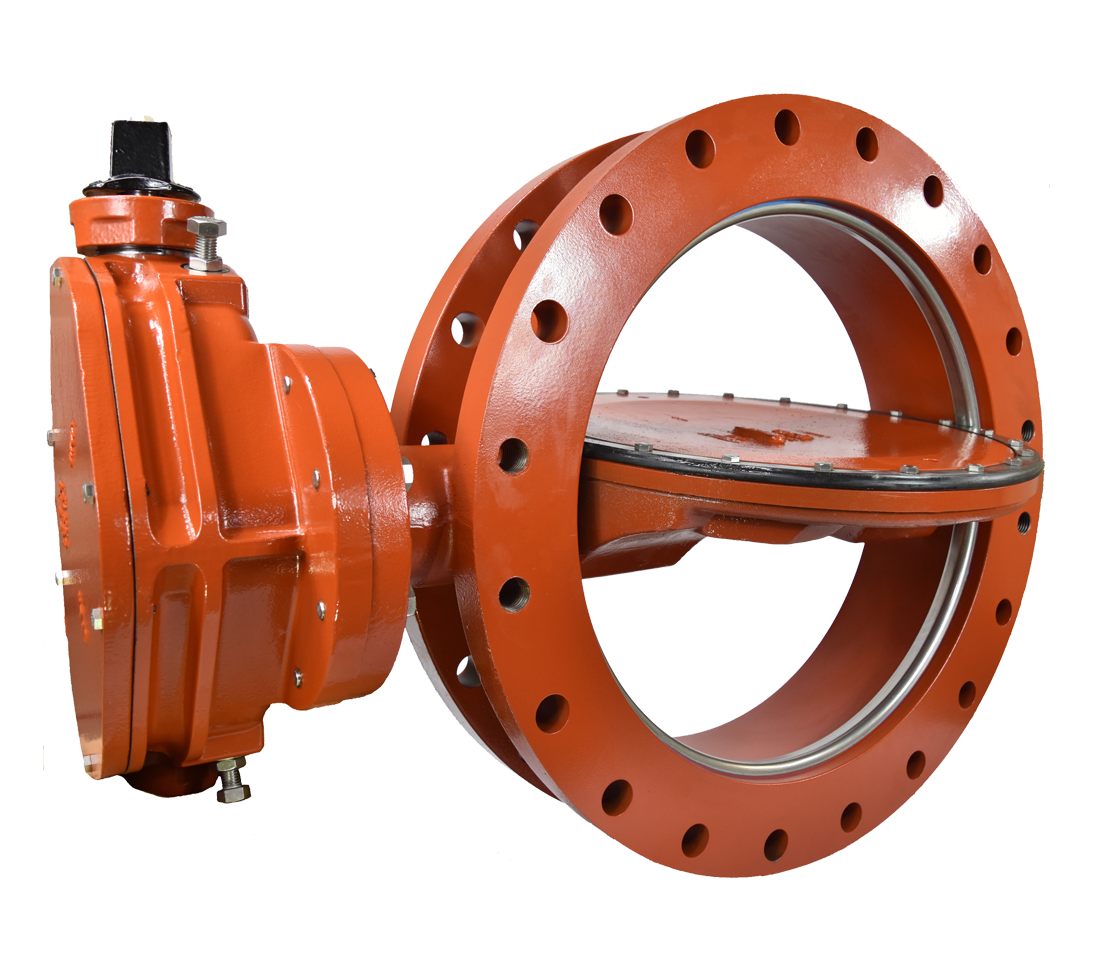
The common alternative to a gate valve is the butterfly valve. These valves are most often used in 3-inch through 144-inch pipe-diameter water systems. Like gate valves, they are available in both flanged and mechanical joint connections. Robb White, general manager for ESI Water, a provider of water and wastewater process and control solutions, says, “One advantage of a butterfly valve over the gate valve is that the lay length is shorter, and the larger the pipe size, the greater that difference is. The benefit of a shorter lay length is that the valve can reduce the footprint of the piping design.”
Butterfly valves are quarter-turn lever operated and available through 8-inch pipe diameter with gear and handwheel or gear and 2-inch operating nut, 8 inches and larger. Butterfly valves are generally less expensive than gate valves. “A disadvantage of a butterfly valve is that it has the shaft and disc in the pipe flow that means there is a permanent obstruction to flow, which is why they are used on clean-water systems only,” White says.
Is the location prone to backflow?
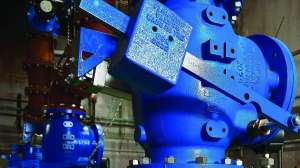
The last type of common waterworks isolation valve is the check valve or non-return valve. The purpose of a check valve is to prevent reverse flow in a pipeline. There are many different styles of check valves that are available for a water system. The common choices range from lever and weight, lever and spring, silent check, double disc check, wafer swing check, flex check and a tilted disc check valve. All of these check valve options have their particular benefits and the application that they are best suited for.
Lever and weight and lever and spring check valves are the most commonly used check valves. These check valves can be provided with oil cushion or air cushion closure. A potential benefit of the lever and weight or lever and spring is that you can physically open the check valve by utilizing the lever on the side of the valve. This enables operators to see if there is anything trapped underneath it if the flow slows.
Silent check valves are most used on the discharge of pumps and are resilient seated to minimize noise upon closure. A downside to this valve is the added head loss across the valve. “Understanding and calculating this head loss is essential for designing efficient piping systems and ensuring the valve chosen can maintain the desired flow rate and pressure within the system,” White says.
Tilted disc check valves are commonly used in high-service pumping applications where head loss is critical. Tilted disc check valves have a very low head loss and can be furnished with top and bottom oil filled dashpots that allow controlled closure of the valve. This is by far the most efficient valve with very low friction loss and is ideal for big pipelines.
Flex check valves or rubber flapper check valves may be the most versatile check valves and can be used in both water and wastewater applications. There is one moving part which is the Buna encapsulated flapper, making it an easy-to-clean, hard-wearing valve. The valve can accommodate a position indicator, allowing plant crews to determine a valve’s position quickly and easily by the visual indicator, and also a backflow actuator for preventing contaminants from entering the clean-water system.
“Regardless of what isolation and check valves you are considering, make sure that the valve selected meets the appropriate standards for drinking water and the appropriate AWWA standards for the valves, as this will go a long way to ensuring you get the full life expectancy with a quality valve. Having been in business for over 25 years, I can’t overemphasize the importance of scheduled valve maintenance to ensure longevity of use in the system,” White says. “Most valves are in the ground and are easy to forget about, so setting and sticking to a schedule is key.”

About the author: Mark Gimson is the director of marketing and international sales at Cla-Val, with over 40 years of experience in the mechanical and industrial engineering sector. He specializes in driving growth with a passion for expanding markets.