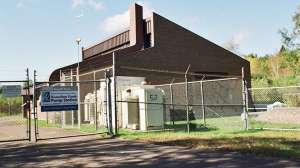
Problem: The 50 mgd Binney Water Purification Facility in Aurora, Colorado, provides award-winning drinking water. Because floc formation is a key step in filtration, Binney staffers sought to quantify floc size as part of their decision-making process.
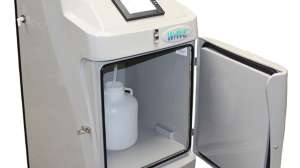
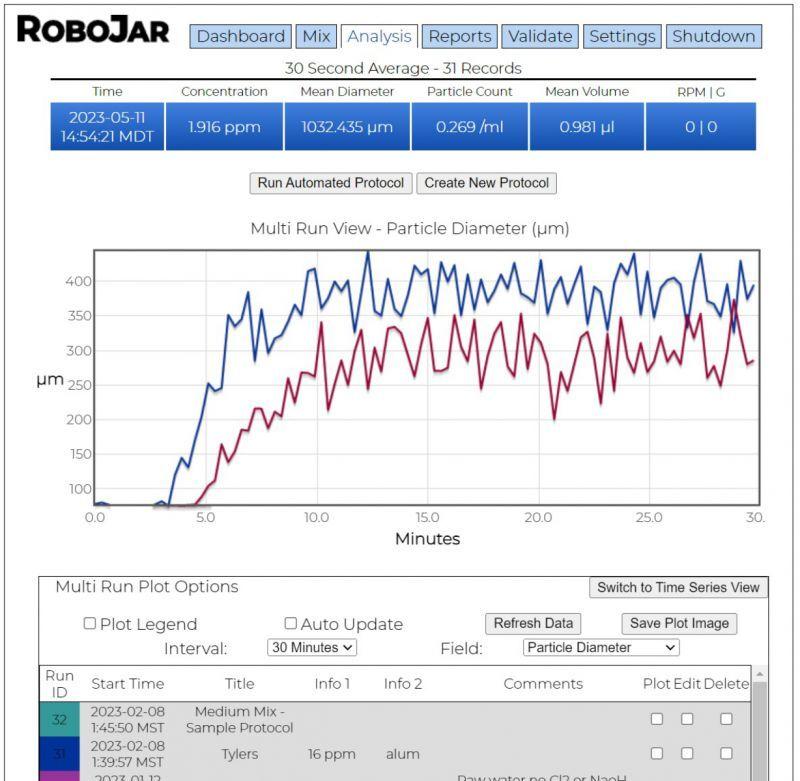
Solution: Relying on full-process water samples, they used a RoboJar benchtop instrument to collect data on floc diameter. This helped the team adjust metal and polymer doses and improve final effluent. RoboJar uses laser illumination and optics to process floc images and produces floc diameter graphs with exportable data. The laboratory and operator teams tested full process samples from the coagulation system effluent with RoboJar to collect floc data. The instrument provided a view into the tank where the floc is formed and measured how full process chemical dose changes would affect floc size.
Result: The floc data helped staffers optimize plant performance and reduce chemical usage. Between 2013 and 2015, the team reduced chemical spend 9-15% annually. The facility saved $415,000 in chemical costs over those three years compared to the baseline year 2012. 833-762-6527; www.robojars.com