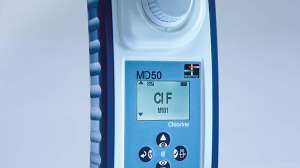
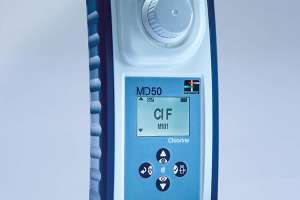
Following an outbreak of Legionnaires’ disease in Grand Rapids, Minnesota, the Public Utilities Center has decided to permanently chlorinate the water system to eliminate the Legionella bacteria. The Minnesota Department of Health reported 14 cases of the respiratory illness, with 11 hospitalizations. The chlorination process was set to begin June 24.
The city has implemented extensive communication efforts, including letters and messaging boards, to inform residents about the change and its impact on the water supply.
Passion for Water Treatment Drives Environmental Engineering Career
Katelin Weitzel's dedication to water treatment was sparked by her Michigan upbringing and witnessing the Flint water crisis firsthand. At the University of Cincinnati, she has received the Rindsberg Fellowship, a Graduate Student Award in Environmental Chemistry, and was recently named Graduate Student Engineer of the Month by CEAS. She chose environmental engineering to combine her love for chemistry, math, biology and problem-solving with her passion for water conservation.
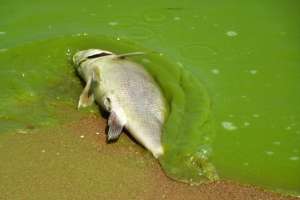
Her research focuses on developing eco-friendly water treatment methods to combat harmful algal blooms caused by cyanobacteria. Weitzel is working on a coagulation treatment using chitosan, a biopolymer derived from shellfish shells, to remove cyanobacteria from water sources before they reach treatment plants. Read more about her story online at the University of Cincinnati.
Vancouver Manages Second Sewer Main Break in False Creek Area
City crews and contractors in Vancouver recently managed the second sewer break in three days around False Creek, raising questions about what has gone wrong with the relatively young pipes.
The cause of the leak is still being investigated, with repairs planned to commence once the assessment is complete. This follows an earlier break on Columbia Street, both involving pipes installed in 1999, making them only 25 years old.