Yeast are generally rare in biological wastewater treatment processes, but may enter the treatment processes through the influent, sludge return side-streams, or grow within the wastewater treatment plant itself at low pH values.
Yeast are eukaryotic, single-cell organisms that are members of the fungus kingdom. Thousands of individual species of yeast are recognized with varying morphological characteristics (egg shape, spherical, etc.). Most species of yeast reproduce through a process called mitosis (genetically identical cells) in which an asymmetric process recognized as budding occurs. The facultative fermentative characteristics of yeast have been used by humans for thousands of years in the production of beer, wine and bread. Various species of yeast may also utilize substrate in aerobic reactions.
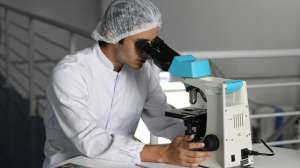
The majority of yeast are recognized to have hydrophobic nature. Under the microscope Dr. Michael Richard phrased the term “baloon-man” as a clever and easy way to remember the morphological characteristics describing the budding nature displayed by yeast.
Yeast at low abundance in a wastewater treatment facility is generally non-problematic, however if yeast are present at high abundance, this may indicate low pH within the system or low pH in a stream entering the biological treatment process. Raising the pH values to above 7 generally discourages the growth of yeast. If the pH of the biomass is neutral or higher, then it is recommended to check the pH of any side-streams that may have significant impact on the microbiology of the treatment plant (and adjust if necessary). In bakery and dairy wastewater treatment processes it is common to see occasional yeast within the floc (entering through the raw influent), however, preventative action is dependent on individual circumstances and the overall treatment goals of each facility.
About the author: Ryan Hennessy is the principal scientist at Ryan Hennessy Wastewater Microbiology. He was trained and mentored by Dr. Michael Richard for over 10 years in wastewater microbiology, and serves as a microbiology services consultant. Hennessy is a licensed wastewater treatment and municipal waterworks operator in the state of Wisconsin and fills in as needed for operations at several facilities. He can be reached at ryan@rhwastewatermicrobiology.com. Hennessy's new book "Wastewater Microbiology: Filamentous Bacteria Morphotype Identification Techniques, and Process Control Troubleshooting Strategies" is now available on Amazon.