A new cogeneration system will always have some kinks to iron out. That’s true even for a utility with decades of experience at producing heat and power from biogas.
Since those kinks were worked out, though, it has been full steam ahead for the staff at the Willow Lake Wastewater Pollution Control Facility in Salem, Oregon.
The facility’s third generation of a combined heat and power system went online in 2021.
“We did have a lot of challenges initially,” says Jue Zhao, Ph.D., assistant director of public works. “We went through a challenging period, but now we’re at full capacity all the time. We rarely flare methane at all.”
The $11 million project was financed in part by a $3 million grant from the Energy Trust of Oregon and $3 million more in a grant from Portland General Electric, the local power utility. The Oregon Department of Energy contributed $250,000, and the project received energy efficiency and project development incentives totaling more than $300,000 from the Energy Trust of Oregon.
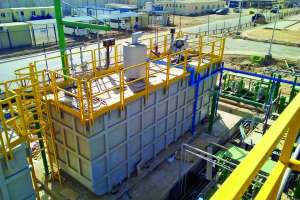
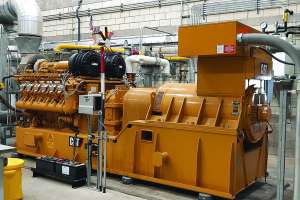
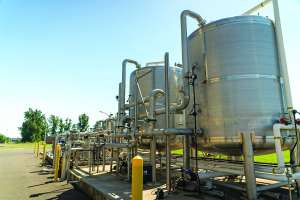
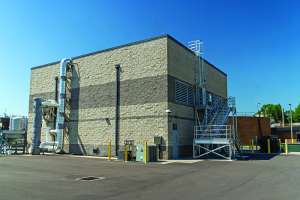
Before launching the new system, Salem was producing more biogas than its second CHP system could handle. So, the city replaced the old 650 kW generator with a 1.2 MW Caterpillar engine-generator in 2021. The new system also included equipment to remove siloxanes from the gas, a capability the previous system did not have.
The startup period was a little rough. “It’s not like you turn it on and it’s on,” Zhao says. “It’s a progression. We had a lot of challenges when we commissioned this unit.” There was substantial downtime at first, but the generator ran 80% of the time from October 2021 to October 2022. By summer of 2023 it had been running more than 90% of the time for nine months.
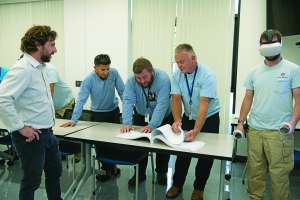
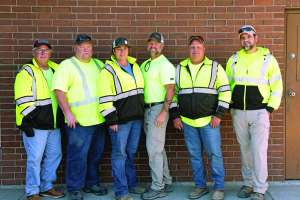
“It was a cooperative effort between us and the manufacturer,” Zhao says. “There was a lot of effort behind the scenes. We have very talented mechanical technicians, and the supervisors are great. They are making it work.”
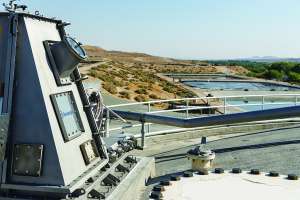
Salem blends high-strength biodiesel processing waste with biosolids to boost methane production. The staff has learned to tweak the mix for steady generator operation at maximum capacity.
The Salem staff is satisfied with the amount of electricity produced; it accounts for over 50% of the treatment plant’s usage. Heat captured from the generator heats the anaerobic digesters and provides most of the heat for the plant administration and dewatering buildings.
The Salem sanitary and storm sewer systems are separate, but significant inflow and infiltration leads to substantial increases in wet-weather flow.
The Willow Lake plant (155 million gallon per day design) has an average summer flow of 30 mgd. In the wet months from October through May, peak hourly plant flows of 137 mgd can occur. During those months a second facility, the River Road Wet Weather Treatment Facility, is brought online and handles additional flows of up to 50 mgd.
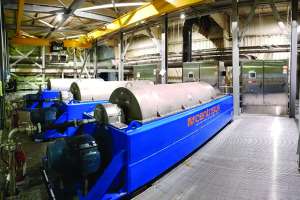
The Willow Lake plant has a full-time staff of 52 including the laboratory. The lab also serves the Operations Division, which includes drinking water, watershed and environmental services, and other departments. Biosolids from the anaerobic digesters are dewatered in centrifuges (Andritz) to about 23% solids and then are spread on farmland.
As could be expected from a utility that has operated co-generation equipment since the 1960s, Salem has substantial experience with energy conservation. Several years ago, the plant went through a Strategic Energy Management program with an energy adviser sponsored by Energy Trust of Oregon. Now the plant team is preparing to go through a similar process again.
“We were in that program several years ago, and they graduated us in 2019,” Zhao says. “We implemented everything. It’s ongoing. It’s part of the culture of the plant to identify energy savings and to reduce usage as much as we can.”
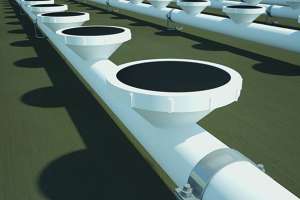
Among the changes implemented so far are upgrades to the secondary treatment aeration system in the biological treatment process. That work included a high-efficiency turbo blower (APG-Neuros) and membrane disk fine-bubble diffusers (Sanitaire, a Xylem brand).
The staff at Salem is considering adding another generator. The availability of high-strength food waste for co-digestion makes that an interesting prospect, although finding grants may be difficult.
“It’s kind of a chicken-and-egg thing,” says Zhao. “We have people coming to us with high-strength waste, and we don’t have the capacity to use the methane that would be produced. But if we propose adding another generator, people say we don’t have the methane to operate it.”
There is enough digester capacity to accommodate more food waste, so the chicken-and-egg problem could get resolved by saying yes to both additional food waste and another generator. When the Caterpillar engine-generator was installed, space was allocated for an additional unit.
Although producing biogas, cleaning it up for engine-generator fuel and producing electricity take staff time and attention, it’s integral to work at a plant. “It’s not a distraction,” says Zhao. “It’s beneficial. If we can produce and use electricity, it helps us to achieve a self-sustaining facility, which is one of the long-term goals that we set internally.”