Were you a Boy Scout? If so, you know the motto: Be prepared!
If you went camping, you took along everything you needed. Clothing not just for today’s weather but for anything that might reasonably come. Not just matches for starting fires — waterproof matches. Insect repellent in case of bugs. A first aid kit. Compass. Rope. An extra day’s food rations. And more. You get the idea.
That Boy Scout motto is good to remember in many walks of life, including water and wastewater treatment. If you need proof, just look at some of the storms in recent years: Hurricane Katrina, Superstorm Sandy. Plant teams affected by such storms worked heroically afterward to get back online. But the really critical work of recovery gets done before a storm ever shows up on the weather service radar.
Consider Clarksville
Think about what happens in a severe flood. Your facility is underwater. You need emergency equipment like pumps and generators, but so does everyone else. The local supply can’t come close to meeting the demand. If it’s all committed by the time you call the dealers, you may be out of luck for a long time.
That’s just one reason you need to prepare. The Clarksville (Tenn.) Wastewater Treatment Plant’s experience (reported in this issue of TPO) illustrates others. The flood that hit Nashville and surroundings in spring of 2010 didn’t get the notoriety of the huge hurricanes, but locally it was devastating. The Clarksville plant was under water for several days, and the recovery took years. In fact, it’s still not complete.
It could have been much worse, though, if the plant’s owner, Clarksville Gas & Water, hadn’t heeded that Scout motto. The management and staff had a number of pieces in place that helped immensely in the crisis.
A quick checklist
How well prepared are you? Perhaps you’re not in hurricane country and you’re not especially vulnerable to flooding. Even then, what about an ice storm lasting days? How about a tornado or other freak windstorm? Any number of events can threaten serious damage and a long, painful process to restore service.
So, based on the experience of Clarksville and others that have “been there,” here are a few questions to ask yourself while the weather is calm and dry.
- Are your critical computer records adequately backed up somewhere off site where a storm can’t reach them?
- Are your critical electronic components in a basement or at ground level? Or somewhere above the flood line? Or flood-proofed in some other way?
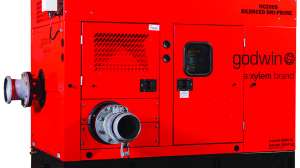
- Do you have agreements with rental houses that let you stand first in line for pumps and generators in an emergency?
- Do you have emergency policies that let you circumvent the usual slow, bureaucratic purchasing procedures at times when speed is of the essence? How long would it take you to generate a purchase order at crunch time?
- Do your team members know who to call, where to report and what to do as an emergency unfolds and in the hours and days just after?
- Do you have enough emergency power generation capacity? Are the generators in a high-and-dry location? How long could they run on the fuel you normally keep on hand? What if fallen trees and power lines across roads kept diesel fuel trucks from reaching you?
Ready for the worst
That’s just for starters. You’ll need to ask and answer many more questions in putting together a sound emergency response plan. If you’re inclined to say that’s “not a priority right now,” consider Clarksville’s experience and think about the consequences of failure to plan.
Then remember: Those things that just can’t happen? Sooner or later it seems they always do. Far better to have a plan and not need it than to need it and not have it.