For some time I’ve been suggesting that treatment agencies actively emphasize what goes out of their plants instead of what comes in – in other words, we should talk about “clean water plants” instead of “wastewater treatment plants or “sewerage plants.”
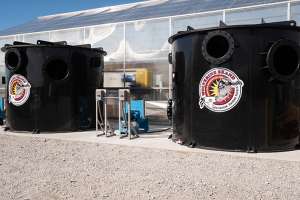
Now another agency has taken a step in that direction: The Green Bay (Wis.) Metropolitan Sewerage District (GBMSD) has decided to rebrand itself as NEW Water. The “NEW cuts two ways: It suggests reNEWal while reflecting the fact that the Green Bay district serves a major slice of NorthEastern Wisconsin.
Apparently GBMSD will remain the official name, but NEW Water will appear on signage, communication materials, business cards, and so forth – already the web address has been changed to www.newwater.us.
The agency has served Northeastern Wisconsin for more than 80 years, promoting public health and welfare by collecting, treating and reclaiming wastewater. “This new brand complements a new attitude of viewing materials received as a resource to be recovered, rather than a waste with which to dispose,” says a statement posted on the website today. “Further, NEW Water will be working closely with the greater Northeastern Wisconsin community toward a common goal of clean water, an essential part of the quality of life in the watershed area.”
This is a change worth saluting. After all, the big-city agencies jumped on this bandwagon years ago: What used to be called the Association of Metropolitan Sewerage Agencies (AMSA) is now the National Association of Clean Water Agencies (NACWA).
The nub of the issue is that the public needs to understand clearly what treatment agencies do. That starts with identifying the agencies with their end product, which everyone values, and not their raw material, which is unpleasant to think about.
Wouldn’t it be great to see a national movement toward agency names that include words like “clean water,” “water reclamation,” and “water recycling”? Let’s have three loud cheers for NEW Water in honor of a name change that is good for the agency, the community, and the entire clean-water industry.