Back to the E-Newsletter Archive
The approach uses a layered double hydroxide material made from copper and aluminum that can rapidly and efficiently remove PFAS from contaminated water.
The approach uses a layered double hydroxide material made from copper and aluminum that can rapidly and efficiently remove PFAS from contaminated water.
Read more
The ResidualHQ is a continuous residual monitoring and disinfectant delivery platform for both chlorine or chloramine systems.
Read moreSponsored by: Ixom Watercare
The time-based controls of the AquaSBR provides flexibility of operation, allowing for full process control.
Read moreSponsored by: Aqua-Aerobic Systems, Inc.
ZeeLung MABR is a wastewater process intensification technology for activated sludge plants that are required to expand biological capacity and/or improve nutrient removal.
Read moreSponsored by: Veolia
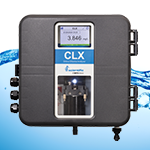
Analyzer maintenance is costly, wasteful and frustrating. Your plant deserves flawless function, relentless reliability, and pinpoint accuracy with the CLX Chlorine Analyzer.
Try a free 30-day demoSponsored by: HF scientific, a Watts Brand
“Cybersecurity is a big deal. The training made it clear just how important it is to protect our systems.”