A study commissioned by a major producer of kitchen sink garbage disposals found that using advanced wastewater treatment facilities to treat food waste through anaerobic digestion is the best environmental option for handling that material.
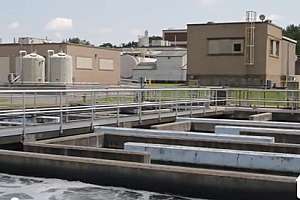
PE International, in a study commissioned by InSinkErator, conducted a lifecycle assessment looking at the impact of various food waste disposal systems and found that putting food scraps put into a kitchen disposal unit and sending it to a treatment plant led to lower global warming potential than landfilling, incineration and composting on a in a central facility.
The study reported that 30,000 households using disposal units instead of sending food waste to a landfill would reduce global warming potential by the equivalent of eliminating nearly 2,300 tons of carbon dioxide emissions. Besides global warming potential, the study looked at eutrophication potential, acidification potential, and smog formation, and examined the energy demands that go with each disposal method.
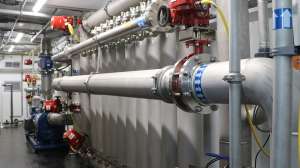
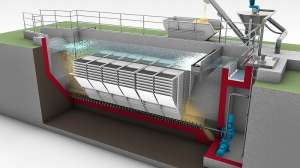
According to the study, food scraps processed through a treatment plant with anaerobic digestion and cogeneration has lower energy demand than other methods.